


Nordens ældste postveje
Danmark
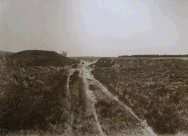
Postvejene spillede en vigtig rolle i skabelsen af det "moderne" Norden. Posten skulle frem. Hurtigt og til faste tider uanset årstid og vejr. Det danske vejnet kunne klare trafikken i 1600-tallet, selv om de danske veje bare var mere eller mindre opkørte hjulspor. Egentlige vejanlæg fandtes kun over vandløb og våde områder i form af dæmninger og træbroer. Først i slutningen af 1700-tallet blev vejnettet grundlæggende fornyet.
Norge
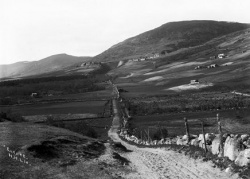
I Norge foregik færdselen til lands i begyndelsen af 1600-tallet på stier eller ad rideveje. Varer blev transporteret på pakheste, blev slæbt eller kørt med slæde.
Længere transporter, og transport af store kvanta, skete helst med hest og slæde om vinteren, ofte på frosne vanddrag ad de særlige vinterveje.
Norges første kørevej blev anlagt mellem sølvgruberne på Kongsberg og ladestedet Hokksund i perioden 1624 - 1630. I 1665 blev denne vej ført videre til Oslo.
Først i løbet af 1700-tallet blev de norske hovedveje generelt udbygget til køreveje.
Sverige
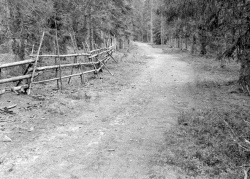
Udbygningen af de gamle svenske ridestier til veje, som var farbare med vogn, begyndte i 1500-tallet, men især i anden halvdel af 1600-tallet blev der lavet mange vejforbedringer.
Kronen bevilgede penge og lod undertiden soldater udføre arbejdet. Sten blev fjernet, huller fyldt, og grunden forbedret. Desuden blev anlagt vejdæmninger af ris, sten og jord over vådområder. Over åer vadede man eller blev færget over. Enkelte steder blev der bygget broer af tømmer.
Omkring år 1700 var de større veje udbygget til køreveje, og man kunne fx køre ad postvejen hele vejen nord om den Botniske Bugt.
Finland
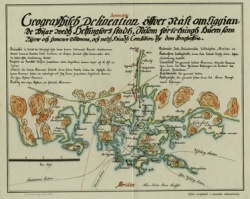
Den store gamle vej i Finland er vejen mellem Åbo og Viborg. Den kaldes Store Strandvej og omtales allerede i 1300-tallet. I 1400-tallet arbejdede man på at udbygge den til en ridevej. I maj 1511 kunne en budbringer ride dag og nat fra Åbo til Viborg. Den Store Strandvejs blomstringstid som europæisk landevej begyndte dog først i 1600-tallet.
En rejse ad Store Strandvej er en rejse gennem Finlands historie. Åbo var "hovedstaden", medens Finland indtil 1809 var en del af Sverige. Helsingfors blev hovedstad, da Finland i 1809 blev et russisk storfyrstedømme, og blev også det selvstændige Finlands hovedstad fra 1917. Viborg blev afstået til Rusland i 1940 efter Vinterkrigen.
